
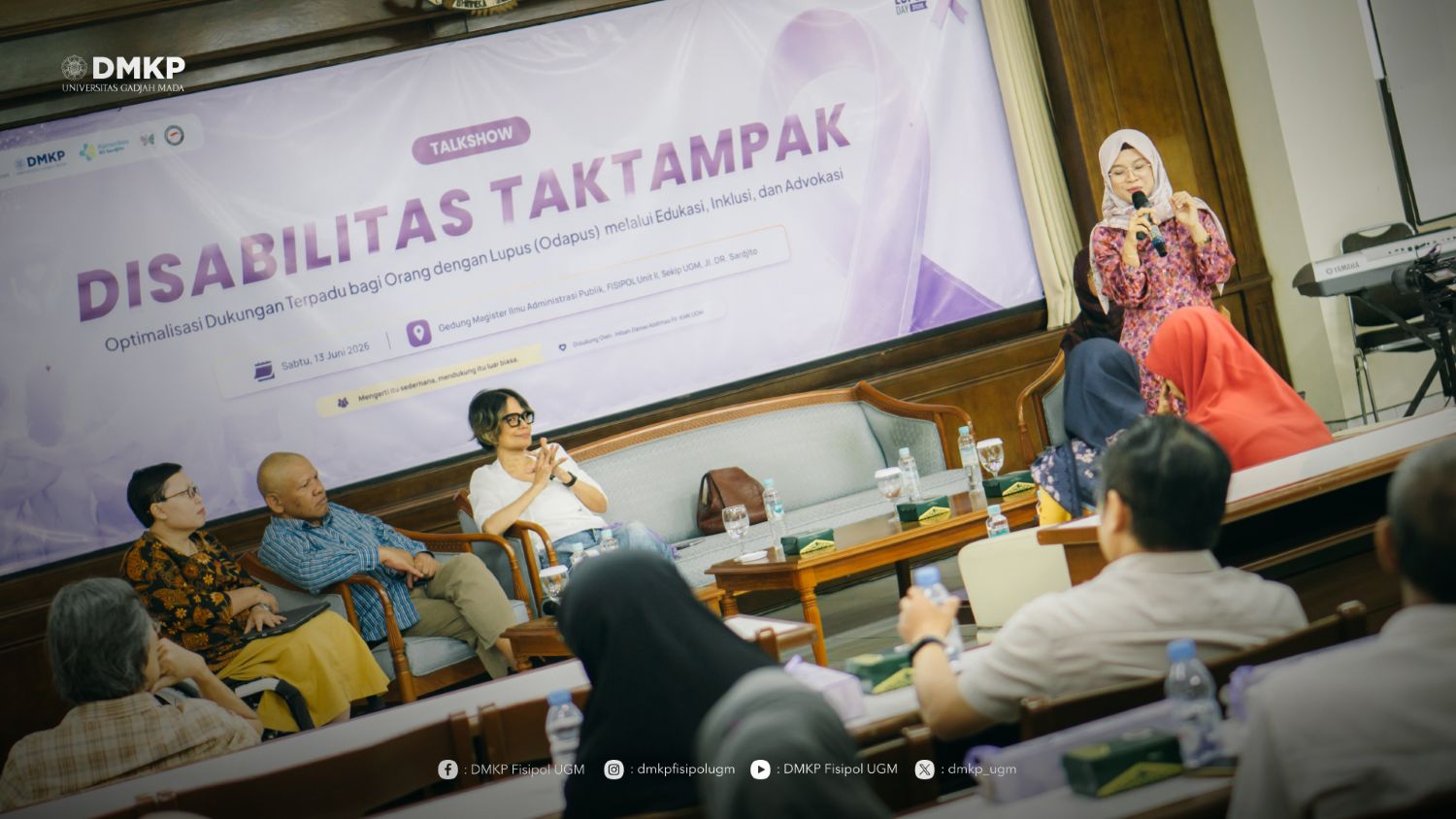
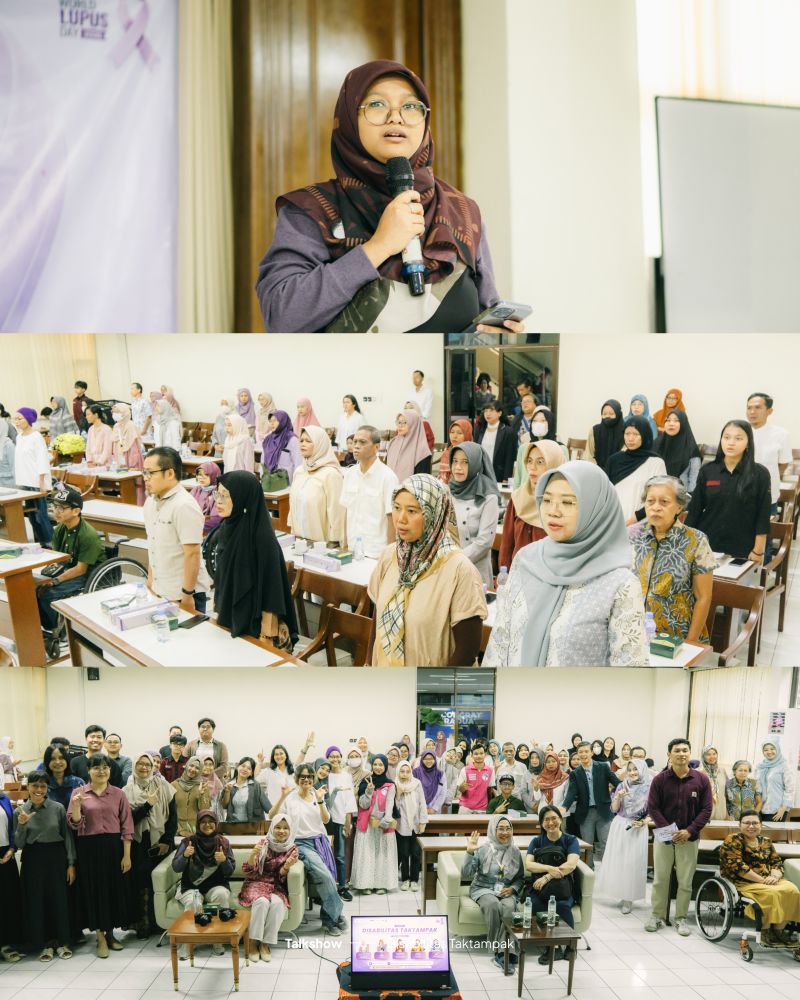
Yogyakarta – The Department of Public Policy and Management (DMKP) of FISIPOL UGM collaborated with the Faculty of Medicine, Public Health, and Nursing (FKKMK) of UGM and the Sahabat Cempluk community to hold a talk show entitled “Invisible Disabilities: Optimizing Integrated Support for People with Lupus (Odapus) through Education, Inclusion, and Advocacy”. The event, which took place in the MAP Seminar Room of FISIPOL UGM, was hosted directly by Dr. Pradhikna Yunik Nurhayati, MPA., Ph.D., a lecturer at DMKP FISIPOL UGM who has also been a lupus survivor (Odapus) since 2019. As the moderator, she guided this interactive discussion to uncover the reality that not all disabilities are physically visible, where individuals who appear healthy from the outside often have to struggle with chronic health conditions and a lack of social support in their surrounding environment.
Medical Diagnosis and the Invisible Burden of the “Disease of a Thousand Faces”
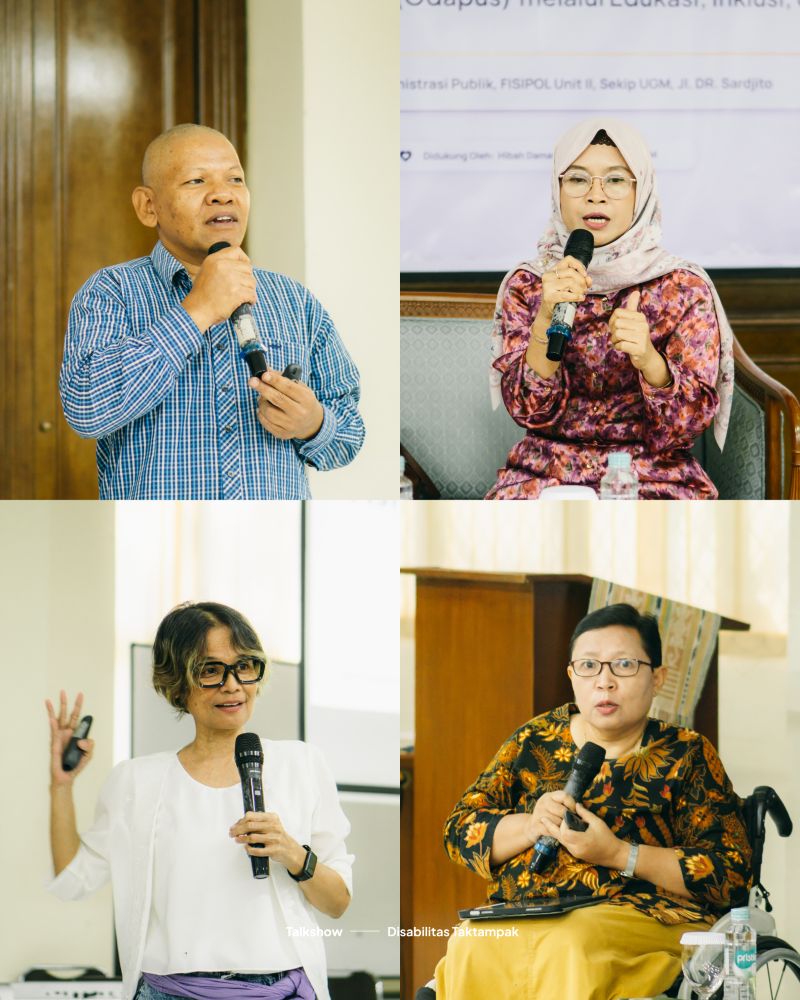
During the medical presentation session, Dr. dr. Ayu Paramaiswari, Sp.P.D., Subsp. R. (K), explained lupus as an autoimmune disease with highly diverse manifestations, often referred to as the “disease of a thousand faces”. She explained that lupus can attack the skin, joints, kidneys, lungs, blood, heart, and nervous system, and cause complaints that are often not visible from the outside, such as chronic fatigue, pain, fever, and hair loss. She also emphasized that diagnosing lupus can take a long time because the symptoms fluctuate and are not always confirmed by a single test. In her explanation, the psychological, social, and financial impacts accompanying this disease are also part of the burden that often goes unnoticed.
Grassroots Reality: Fighting Stigma and Recognizing One’s Capacity
Strengthening the medical perspective with empirical reality, Kak Yan Sofyan, the Founder of the Sahabat Cempluk Community, shared real experiences from a patient’s point of view. He highlighted that the biggest challenge for Odapus often comes from public misconceptions that consider them lazy or exaggerating their condition simply because the symptoms are invisible. “When lupus patients wake up, while others have 100% battery, they have 10% or 20%,” he expressed to illustrate the extreme fatigue that distinguishes Odapus from individuals without chronic illnesses. He emphasized the importance of patients recognizing their own energy capacity (pacing) and highlighted the essential role of communities in providing mental support and access to treatment.
Challenges in Regulation, Budget, and Inclusive Work Ecosystems
From the perspective of employment and public policy, Aris Sujatmiko, S.E.T., M.I.P., highlighted the importance of inclusive awareness and adequate budget support for disability programs. He stated that the efforts proposed every year, ranging from socialization for companies employing people with disabilities, soft skills training, to entrepreneurship for people with disabilities, often have not received enough space in the budgeting process. Furthermore, he also proposed an innovative idea in the form of providing tax deduction incentives for companies that provide accommodations to employ people with disabilities, as a tangible solution to break the deadlock in implementing the Employment Law.
Creating an Equitable Campus Ecosystem
Meanwhile, Dr. Wuri Handayani from the UGM Disability Services Unit (ULD) affirmed the importance of an inclusive campus ecosystem and invited participants to utilize UGM’s ULD services as a space for mentoring and support for the academic community with disabilities, including invisible disabilities. She explained that ULD plays a comprehensive role from entrance selection to the completion of final assignments, by providing reasonable adjustments such as adjusting the time load of academic evaluations, exam formats, and facilitating peer support (buddy system) for students.
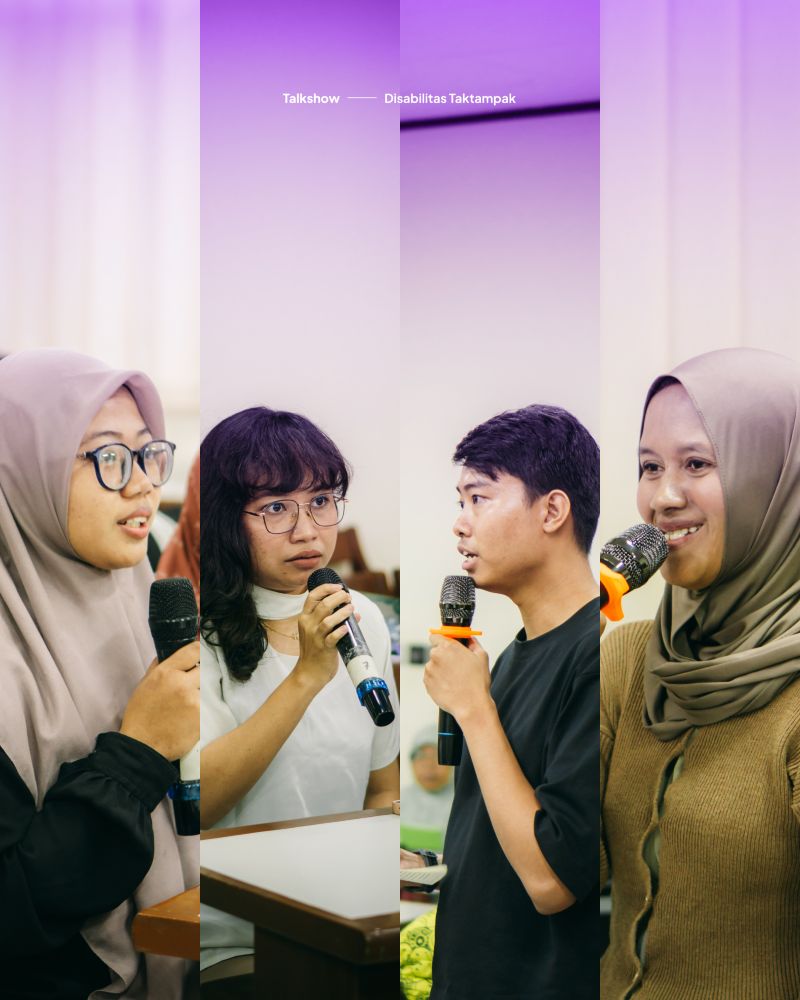
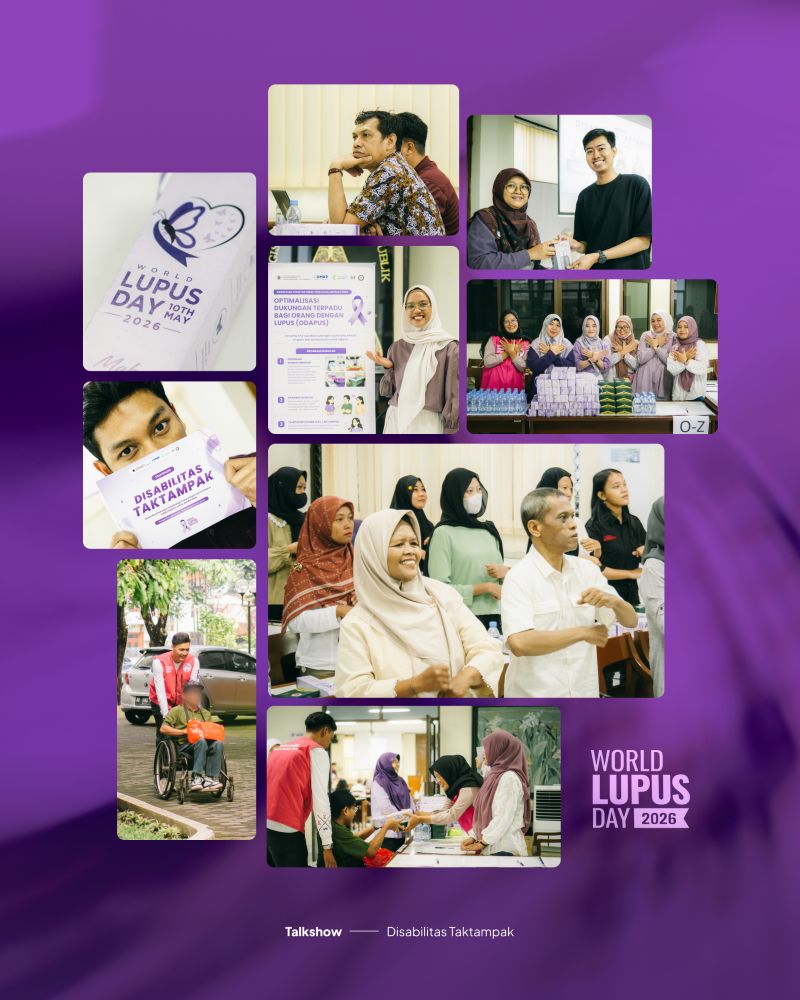
This initiative aligns with the Sustainable Development Goals (SDGs), particularly in promoting quality education (SDG 4), ensuring inclusive and equitable access to education for all, reducing inequalities (SDG 10), and promoting decent work (SDG 8). With a conducive atmosphere, this event is expected to become an interactive forum for students, academics, and the general public to exchange ideas regarding the role of policy in facing the challenges of social inclusion and the fulfillment of basic public rights in the modern era.